Work Package I
Bone & Cartilage Regeneration
Understanding 3D chondrogenesis (CH3D) by bone-regeneration-competent stem cells in a proprietary model system using single-cell multi-omics and imaging mass cytometry for spatial and temporal resolution of gene expression in 3D.
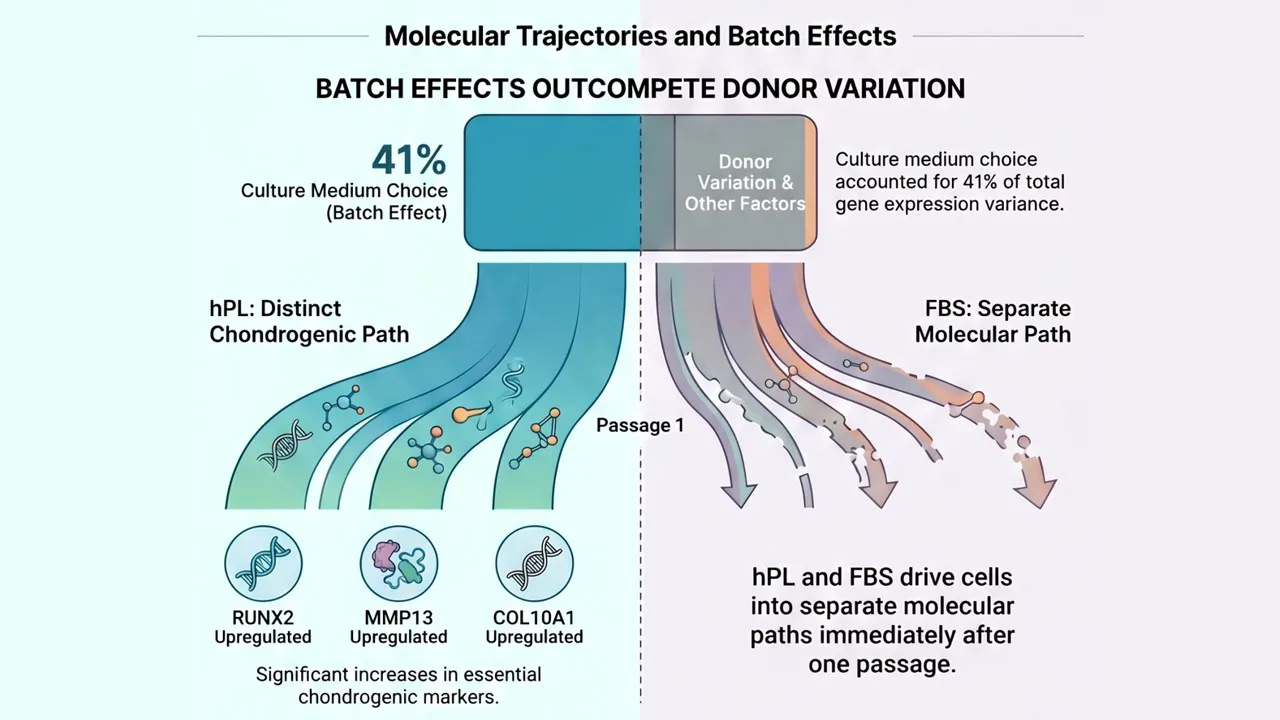
We plan to investigate 3D chondrogenesis (CH3D) using bone-regenerative bone marrow stromal cells (BMSCs) versus cells without this signature (CH) using single-cell multi-omics. Imaging mass cytometry enables 3D spatial and temporal resolution of gene expression to assess regenerative capacity.
The FORTELNY Group (Computational Systems Biology, PLUS) can train predictive AI models using OMICS profiles as input to predict the experimentally observed phenotype (regenerative-competent vs. incompetent cells) and uncover the underlying molecular mechanisms behind these predictions. Interpretable AI at the “feature” level can predict which genes, proteins, or epigenetic traits are critical for regeneration. Furthermore, advanced interpretable AI models will predict the activity of signaling proteins that regulate observed genes and proteins.
These sophisticated experiments rely on decades of experience and excellent laboratory work skills to guarantee highest data quality. Instructive signals like cell culture medium choice during cell propagation matter - human platelet lysate (hPL)-based media have been established in our lab to maintain proper chondrogenic differentiation (Figure above).